
The SEO Metrics Business Owners Should Actually Track
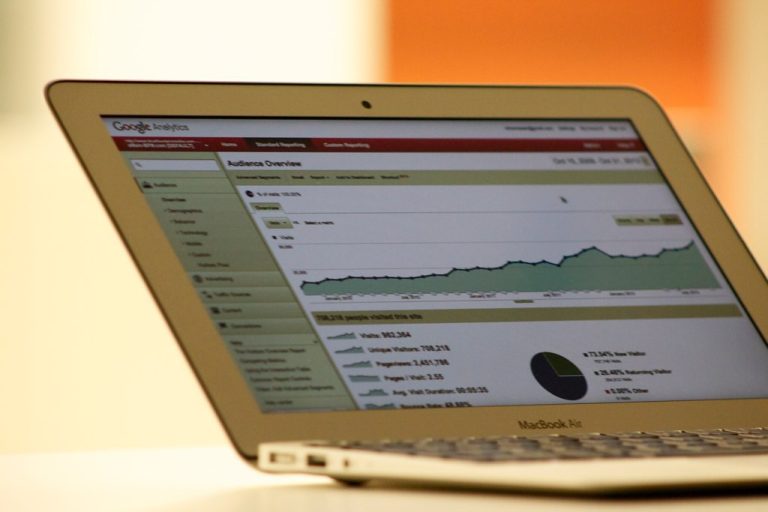
An SEO report can show more traffic, more ranking keywords, and more impressions while the business still receives the same number of good inquiries. That is the problem with treating visibility as the finish line.
For a business owner, the useful question is not simply, “Are we getting found?” It is, “Is search bringing the right people to the right pages, and are those visits turning into valuable actions?” A practical SEO scorecard should make that answer clear without requiring a weekly tour through a dozen dashboards.
Start With the Business Decision
Every metric should help someone decide what to do next. If a number cannot influence a content priority, website improvement, budget decision, or follow-up process, it probably does not belong at the top of an owner’s report.
A Winchester professional practice, a Northern Virginia B2B firm, and an ecommerce retailer may all use SEO, but they do not need identical scorecards. One may value consultation requests, another qualified demo calls, and another profitable product sales. Define the business outcome first, then work backward to the search and website signals that support it.
1. Qualified Leads From Organic Search
Count inquiries that match the customers you want—not every form submission. A qualified organic lead might be a service-area prospect requesting an estimate, a buyer asking about a specific solution, or a decision-maker booking a consultation.
This metric reveals whether search visibility is attracting useful demand. It also exposes a common problem: traffic can rise because of broad informational content while high-value inquiries remain flat. That does not mean the content has no value, but it does mean the business should understand its role.
2. Conversion Rate by Landing Page
Sitewide conversion rates hide too much. Measure important pages individually: core services, location pages, product categories, high-margin products, and educational articles that assist buyers.
If a page receives qualified search visits but few calls, bookings, quote requests, or purchases, the next SEO task may not be another article. The page may need a clearer offer, stronger proof, a better next step, faster performance, or a simpler form.
3. Visibility for High-Intent Searches
Total keyword counts can be impressive and commercially meaningless. Separate searches that signal buying intent from searches that only indicate general curiosity.
- Service plus location searches, such as a specific need in Winchester or Northern Virginia
- Product, category, compatibility, and availability searches
- Problem-aware searches that closely match a paid service
- Comparison and vendor-selection searches used by buyers near a decision
Track impressions, clicks, and position trends for a focused group of these searches. The goal is not to celebrate every ranking movement; it is to see whether the business is becoming more visible when a valuable buyer is looking.
4. Meaningful Actions Before the Final Conversion
Not every visitor converts in one session, especially for professional services, B2B purchases, or higher-value ecommerce. Track actions that show progress: viewing pricing or service details, checking delivery information, downloading a useful resource, clicking to call, starting a booking, or returning to a key page.
These are not substitutes for revenue. They are diagnostic signals. They help explain where buyers are moving forward and where the journey loses momentum.
5. Lead-to-Customer Rate and Revenue
SEO reporting becomes much more valuable when website activity connects to sales outcomes. At minimum, mark which inquiries became qualified opportunities and customers. Ecommerce teams should review revenue, margin, repeat purchases, and assisted conversions from organic search—not only transaction counts.
This connection does not require an elaborate data warehouse in Phase 1. A consistent source field in a CRM, a simple lead-status process, and reliable conversion tracking can answer far more useful questions than a polished dashboard full of disconnected numbers. Our guide to tracking which website leads become customers explains a practical starting point.
6. Technical Health as a Guardrail
Technical SEO still matters, but most technical metrics are guardrails rather than business outcomes. Watch for sudden indexing losses, important pages excluded from search, broken internal links, crawl errors, poor mobile experience, slow templates, and structured data problems.
The owner-level report should highlight what changed, which business pages are affected, and what action is recommended. A list of hundreds of warnings without context creates work without clarity. A focused professional SEO audit should separate material risks from low-value noise.
Metrics to Keep in Perspective
Raw traffic, total ranking keywords, average position, domain authority estimates, and bounce or engagement rates can provide context. None should be treated as proof of business growth on its own.
A traffic decline can even be healthy if low-value visits fall while qualified inquiries improve. An average ranking can hide strong performance for valuable terms and weak performance for irrelevant ones. Read these metrics as clues, not verdicts.
Build a One-Page Monthly SEO Scorecard
A decision-maker scorecard can stay simple:
- Qualified organic leads or organic revenue
- Conversion rate for priority landing pages
- Visibility and clicks for a defined set of high-intent searches
- Lead-to-customer rate or revenue quality
- Material technical risks affecting important pages
- The next three actions, with an owner and expected business effect
Review trends over several months rather than reacting to every weekly fluctuation. Search demand, seasonality, competition, promotions, and sales follow-up can all influence the result. The scorecard should create a useful conversation between marketing, website, and sales—not another reporting ritual.
A Low-Burden Phase 1
Start by choosing three valuable outcomes, confirming that forms, calls, bookings, and purchases are measured correctly, and mapping those outcomes to the pages that should produce them. Then establish a monthly review and fix the largest measurement gaps before adding more tools.
Nexus Box helps businesses align SEO, website performance, analytics, and conversion paths so the reporting supports real decisions. The best measurement plan is not the one with the most charts; it is the one your team can trust and act on consistently.